How to Become a Wine Sommelier: Rewards, Challenges & Skills You’ll Need
- Kapoor Kandel

- Jul 31, 2025
- 3 min read
Updated: Aug 22, 2025
Have you ever stared into a glass of wine and wondered about the story behind it? That silky swirl might whisper tales of soil, sun, and generations of craftsmanship. If you feel drawn to those stories, becoming a wine sommelier might just be your calling—and it’s a journey worth savoring.
🌟 The Rewards: More Than Just a Taste
1. Exploring Global Cultures Through Wine
From the vineyards of Burgundy to the hills of Mendoza, wine connects you to diverse cultures and histories—all through your senses.
2. A Dynamic Career Path
Sommeliers thrive in restaurants, cruise ships, luxury hotels, and vineyards. Others pivot into education, consulting, or import/export, crafting a path that suits their passions.
3. Intellectual Satisfaction
Wine is alive. It evolves with trends, climate, and winemaking techniques. If you're a lifelong learner, this field never runs dry.
4. Creating Connection
Matching an individual with a wine that enhances their meal or lifts their spirits is a profoundly personal experience. It's like storytelling in a liquid format.
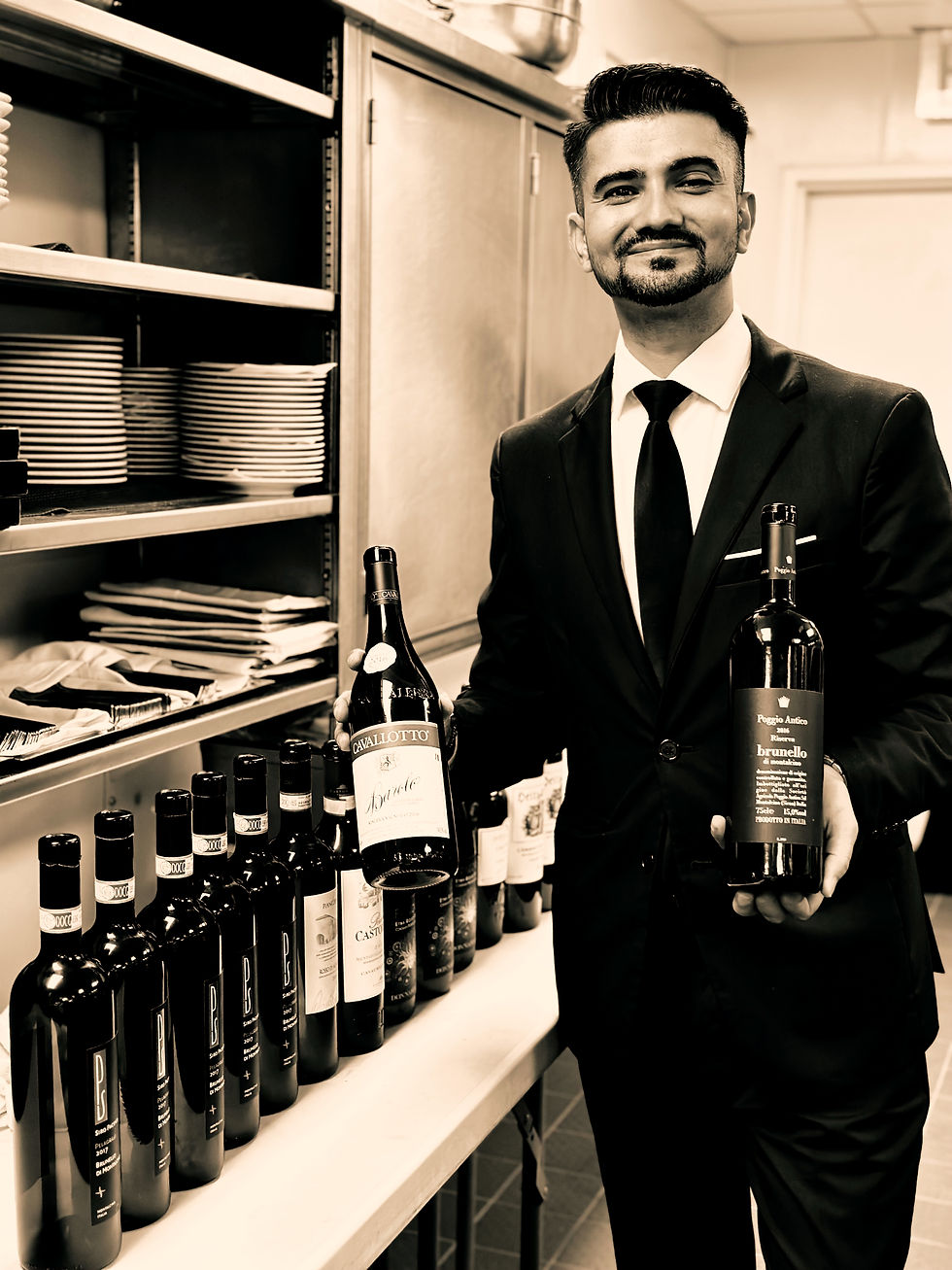
🚧 The Challenges: It’s No Walk Through the Vineyard
1. A Demanding Learning Curve
Wine theory includes geography, chemistry, viticulture, and sensory analysis. Becoming fluent takes study, time, and serious dedication.
2. High-Stakes Service
Fine dining means flawless execution. Pouring, decanting, and recommending with confidence—often under pressure—is part of the gig.
3. A Financial Commitment
Top-tier courses (like WSET or CMS), travel to wine regions, and ongoing tasting practice can be costly investments.
4. Palate Burnout
Blind tastings and rigorous sensory training can tire you out quickly—especially on long exam days or during prep season.
🧰 Key Skillsets Every Sommelier Needs
Skill | Why It Matters |
Sensory Perception | Identifying aromas, textures, and flavors is the foundation of great tastings |
Hospitality Skills | Creating unforgettable guest experiences elevates your role from server to guide |
Wine Theory Knowledge | Understanding grapes, regions, and production allows you to speak the language of wine |
Communication & Presentation | Sommeliers often lead tastings or speak in public—your storytelling needs to shine |
Memory & Discipline | You’ll retain countless producers, vintages, and geographic details |
Poise Under Pressure | Service can get intense—grace and confidence go a long way |
Starting Your Journey
Read & Watch:
Explore Wine Folly, watch documentaries like Somm, and keep a wine journal to document your impressions.
Get Hospitality Experience:
Work in wine bars, restaurants, or tasting rooms to sharpen service skills.
Enroll in Certifications:
WSET and CMS offer structured learning paths tailored to both beginners and pros.
Attend Tastings & Events:
In places like Queens, NY, you’re surrounded by world-class wine culture. Dive in!
Join Wine Communities:
Forums, clubs, and mentorships will accelerate your growth.
Practice Blind Tasting:
Test your palate regularly—you’ll surprise yourself with how quickly it sharpens.\
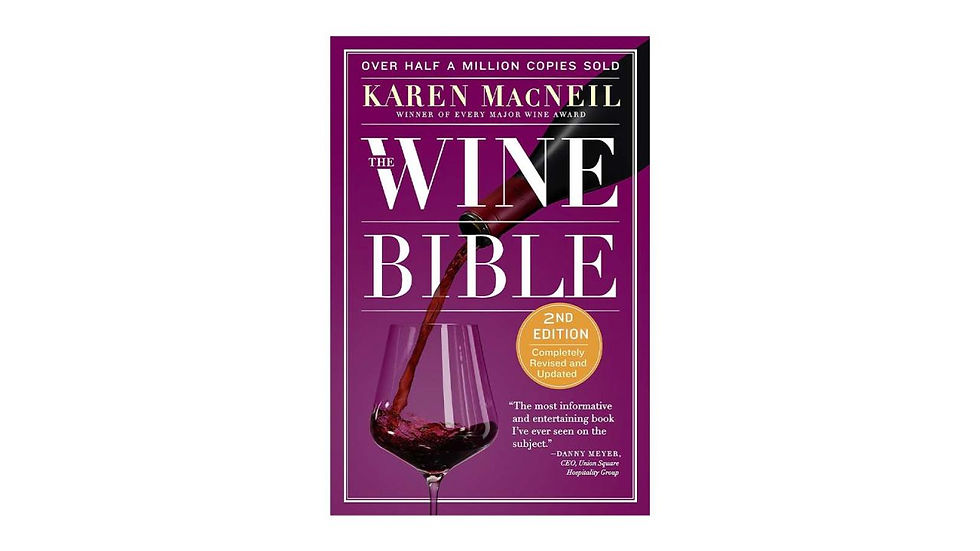
Wine Bible by Karen Macneil is one of the most informative resources for wine sommeliers both novice and seasoned Final Thoughts
Becoming a wine sommelier isn’t just a profession—it’s a pursuit of beauty, knowledge, and connection. It demands rigor but offers unmatched rewards. Whether you're exploring wines from your local shop or standing tableside at a Michelin-starred restaurant, each glass is a step forward.
Ready to start your journey? I’d be happy to help sketch out a personalized roadmap or suggest courses near you.
Let’s raise a glass to the road ahead. Cheers!!



Comments